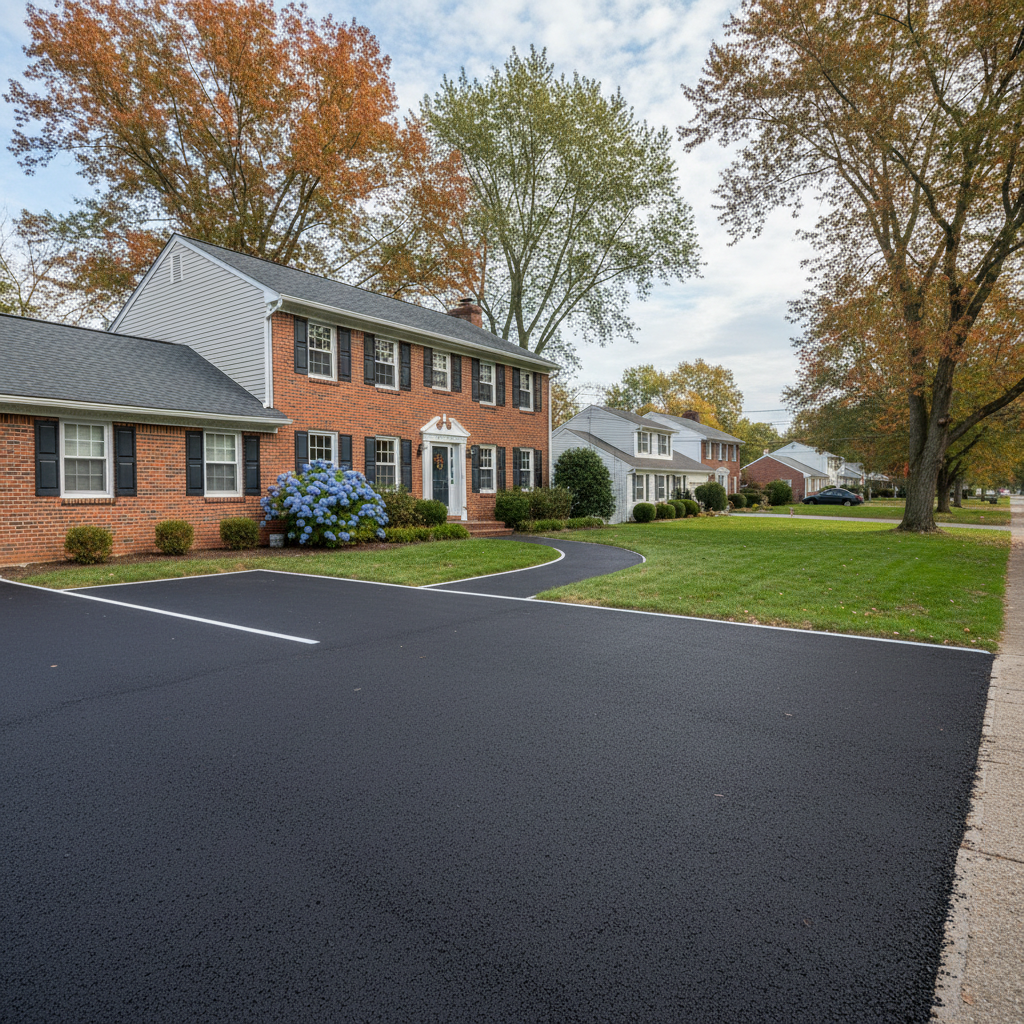
You need a new driveway or some repair work done on your asphalt, and you're thinking, "How hard can it be to find a good contractor?" Well, it's not always as straightforward as you'd hope. I've seen plenty of folks in Folcroft get taken for a ride by shady operators or just end up with a crummy job. As someone who's been doing this for years with Superior Asphalt Solutions, I want to give you the straight scoop on how to hire smart.
What to Ask Before They Even Quote
Before anyone even starts talking numbers, you need to ask some pointed questions. Don't be shy; it's your money and your property.
- How long have you been in business? This isn't just about age; it's about stability. A company that's been around for a decade or more, especially in the same area, probably knows what they're doing and isn't going to disappear overnight.
- Can you provide references? And don't just take their word for it. Call those references. Ask them about the contractor's communication, timeliness, and how they handled any unexpected issues.
- What kind of warranty do you offer? A good contractor stands behind their work. A year is pretty standard for new asphalt, sometimes more. Make sure it's in writing.
- Who will actually be doing the work? Your crew or subcontractors? Sometimes companies sub out the work, which isn't always bad, but you want to know who's responsible and who you'll be dealing with day-to-day.
- Are you licensed and insured? This is non-negotiable. They need general liability insurance to cover accidents on your property and workers' comp for their crew. Ask for proof – actual certificates of insurance, not just a verbal assurance.
Decoding the Quote: What to Look For
Once you get quotes, don't just compare the bottom line. You need to dig into the details.
- Is it detailed? A good quote breaks down everything: site preparation, materials (type and thickness of asphalt), labor, equipment, and any cleanup. If it's just a single number, that's a red flag.
- Material specifications: They should specify the asphalt mix (e.g., Superpave 9.5mm) and the planned thickness. For a residential driveway, you're usually looking at 2-3 inches of compacted asphalt over a good base. If they're talking about less, question it.
- Site preparation: This is crucial. A new asphalt surface is only as good as its base. Will they be excavating, grading, adding or compacting a stone base? How will they handle drainage? Around here, especially with some of the older homes in Folcroft with their original, often uneven, gravel driveways, proper base prep is absolutely key to preventing future cracking and puddling.
- Payment schedule: A reputable contractor won't ask for 50% or more upfront. A small deposit (10-20%) is common, with the balance due upon satisfactory completion. Never pay in full before the job is done.
- Inclusions and exclusions: What's included in the price? What isn't? Are permits handled? Is debris removal part of the deal?
Red Flags You Can't Ignore
Some things should make you walk away, no questions asked.
- Door-to-door solicitations: Be very wary of someone knocking on your door saying they just finished a job down the street and have leftover material. This is a classic scam.
- Cash-only deals: If they insist on cash, especially for a discount, it's a huge warning sign. It often means they're trying to avoid taxes, and if something goes wrong, you'll have no paper trail.
- No written contract: Never, ever agree to work without a detailed, signed contract.
- High-pressure sales tactics: